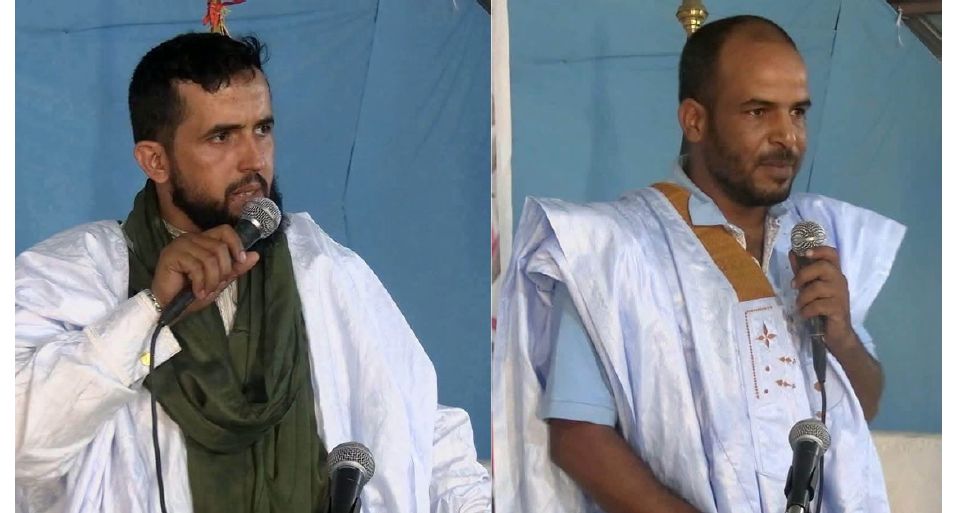
They were beaten with batons until they nearly lost consciousness and threatened with rape if they did not confess. This is the testimony of recently released Sahrawi students in a new report following a decade in Moroccan prisons.
The Norwegian Support Committee for Western Sahara has interviewed Sahrawi student leaders and presents shocking testimonies from a group who were released from Moroccan prisons earlier this year. The report was produced in cooperation with The National Union of Students in Norway and the legal aid clinic Jussbuss.
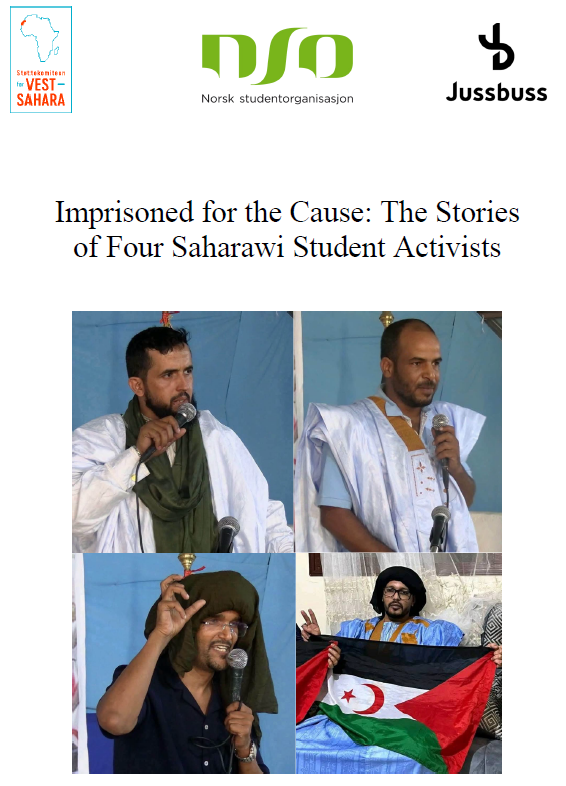
The report describes how one of the students was forced to watch a friend being tortured in front of him. Several were held in solitary confinement in tiny cells. When one of them was close to death after a hunger strike, he was told that it would be just as well if he died: “minus one is a good thing.”
Elkantawi Elbeur, Aziz El Ouahidi, Abdelmoula El Hafidi and Mohammed Dadda spent ten years in prison after becoming leading figures in Sahrawi student organisations at the universities of Marrakech and Agadir. They were arrested in 2016 together with 11 other students.
According to the four men’s own accounts, the nightmare began at the moment of their arrest. Elkantawi was taken at gunpoint, beaten with batons together with seven other students, and held in pre-trial detention for four days, during which the lights were never switched off, one of his hands was constantly chained to the wall, and he was given no food. Aziz says he was beaten almost daily for up to six hours at a time, on his hands and shins, precisely so that the marks would not be visible. Abdelmoula was threatened with rape and forced to sign confessions that he was not allowed to read, while Mohammed was tortured by plain-clothes officials for three days without food or sleep.
None of them received the medical care to which they were entitled. Several say they were denied access to a doctor even when they were seriously ill, and that Sahrawi prisoners were systematically given the lowest priority. They also describe how their contact with their families was restricted and how attempts were made to prevent them from completing their studies.
In 2019, the UN Working Group on Arbitrary Detention concluded that the students’ arrest and detention were arbitrary, and that they had been persecuted on discriminatory grounds because of their political activism and support for the Sahrawi people’s right to self-determination. The Working Group called for their immediate release. Nevertheless, the four remained in prison for several more years and were not released until 2026, after serving their full ten-year sentences.
Shortly after their release, representatives of the Norwegian Support Committee for Western Sahara and Jussbuss interviewed the four men in Agadir. The report published today is based on these interviews and provides a consolidated account of what they have described about their pre-trial detention, imprisonment and life after release – including restricted contact with their families and attempts to prevent them from completing their studies.
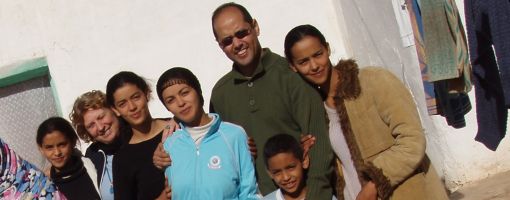
Family fears for human rights defender after days without contact
The family of Saharawi human rights defender and political prisoner Naâma Asfari says it has had no contact with him since Monday. Asfari is now on the 40th day of his hunger strike, and his family fears for his life and health.
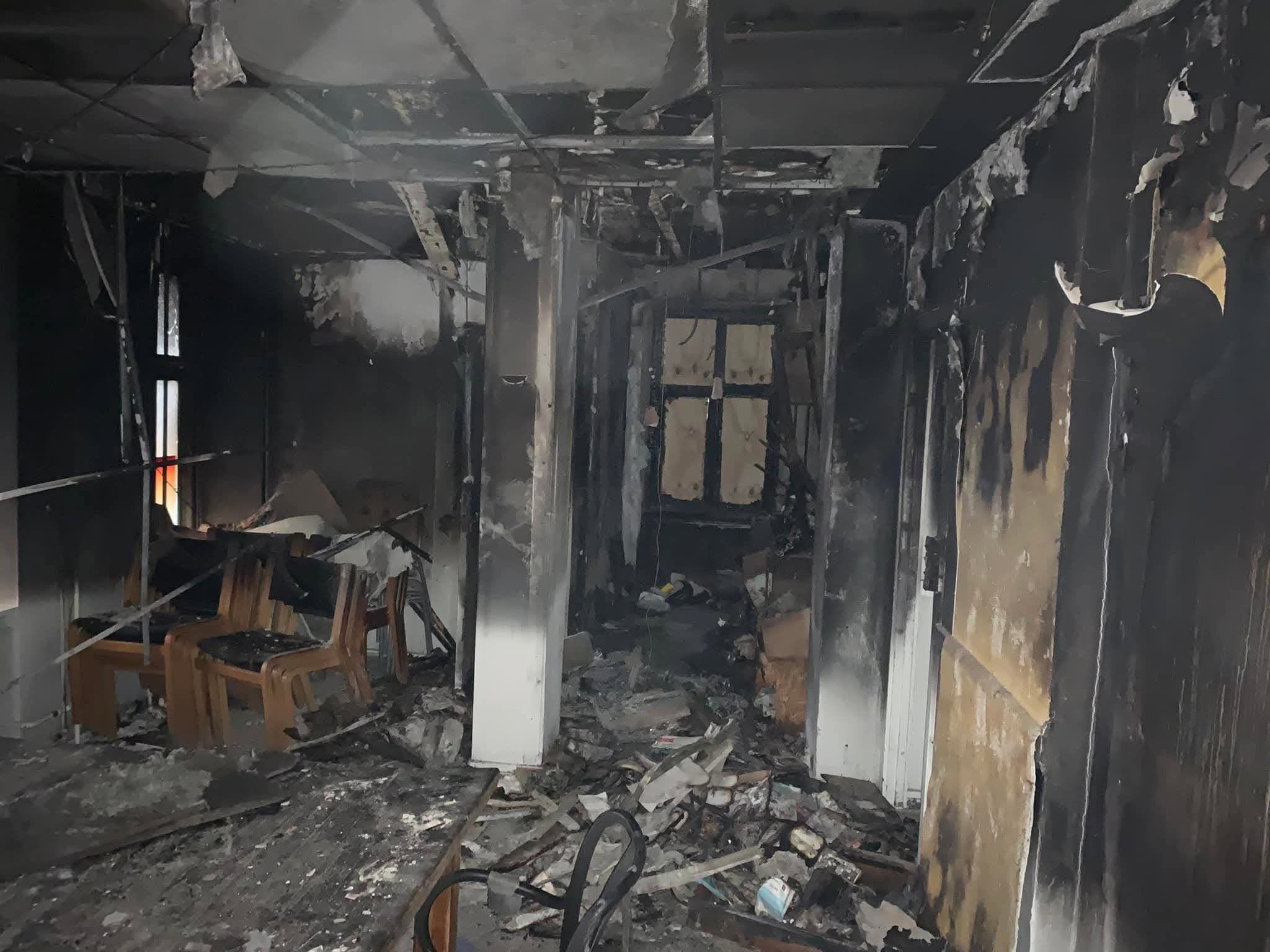
Trial underway over firebombing of our partner in Denmark
A trial has begun in Copenhagen against four men accused of carrying out the January 2025 arson attack on the offices of our partner Global Aktion.
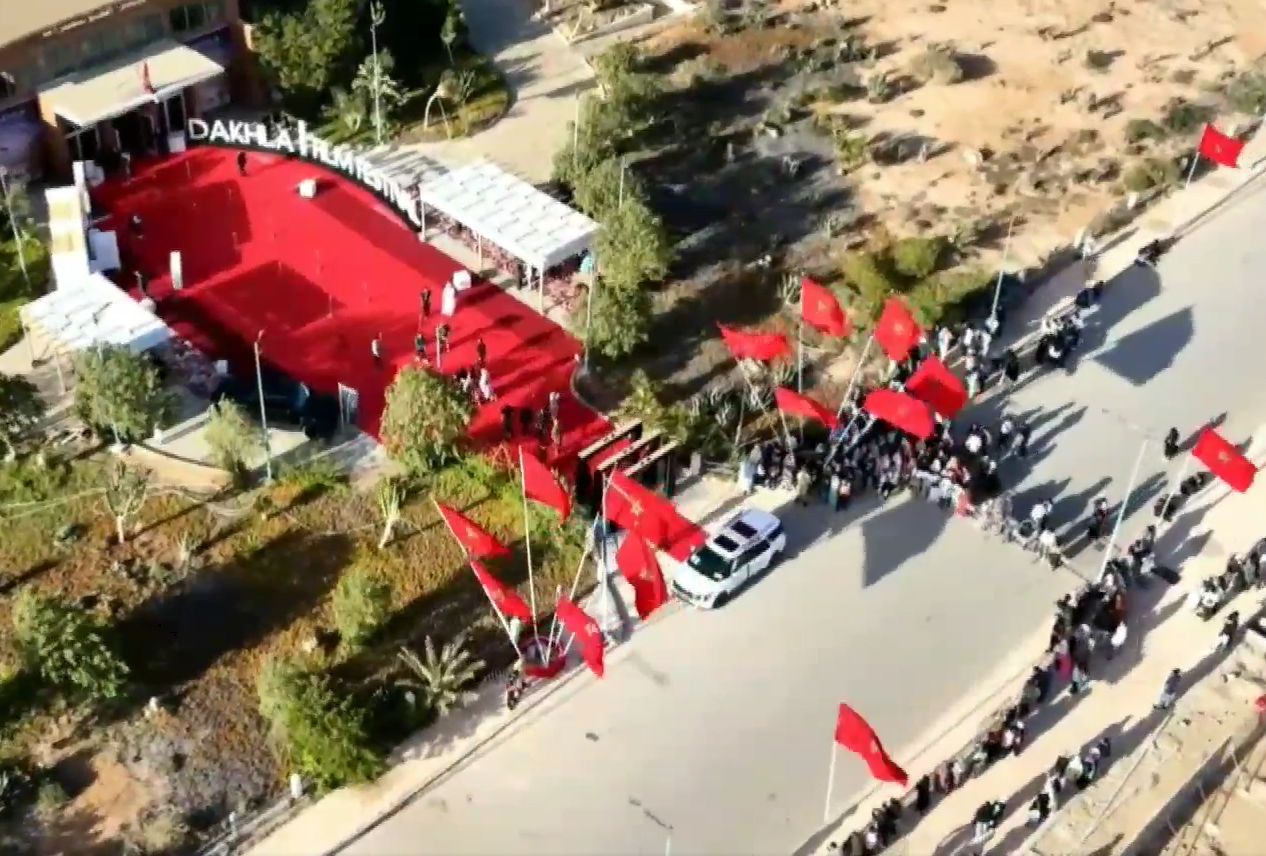
Film Festival Silences Saharawi Voices
The Moroccan film festival Dakhla International Film Festival is rapidly deleting critical comments from its social media channels.
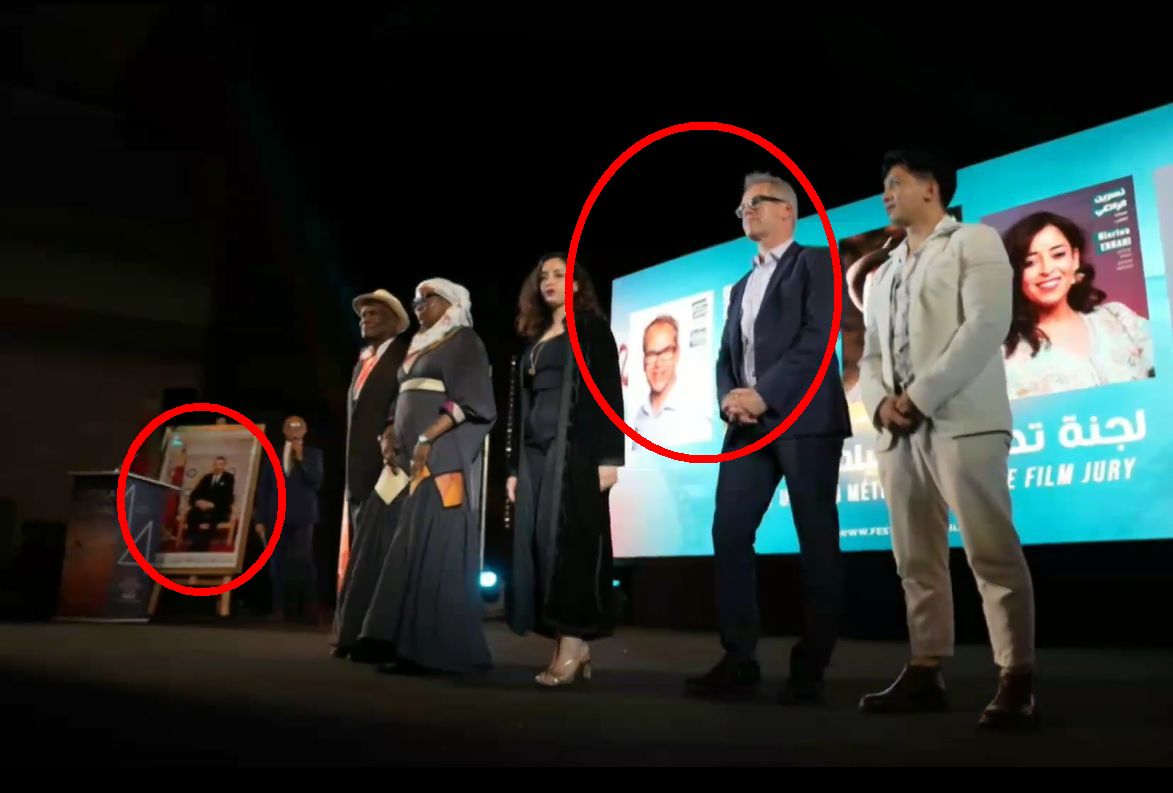
Film Producer Anders Tangen on Red Carpet at Propaganda Festival in Occupied Western Sahara
Film producer Anders Tangen appeared on stage in occupied Western Sahara yesterday, standing before an image of the Moroccan king and surrounded by Moroccan flags. “We condemn Tangen’s support for the occupation of Western Sahara,” says the Norwegian Support Committee for Western Sahara.