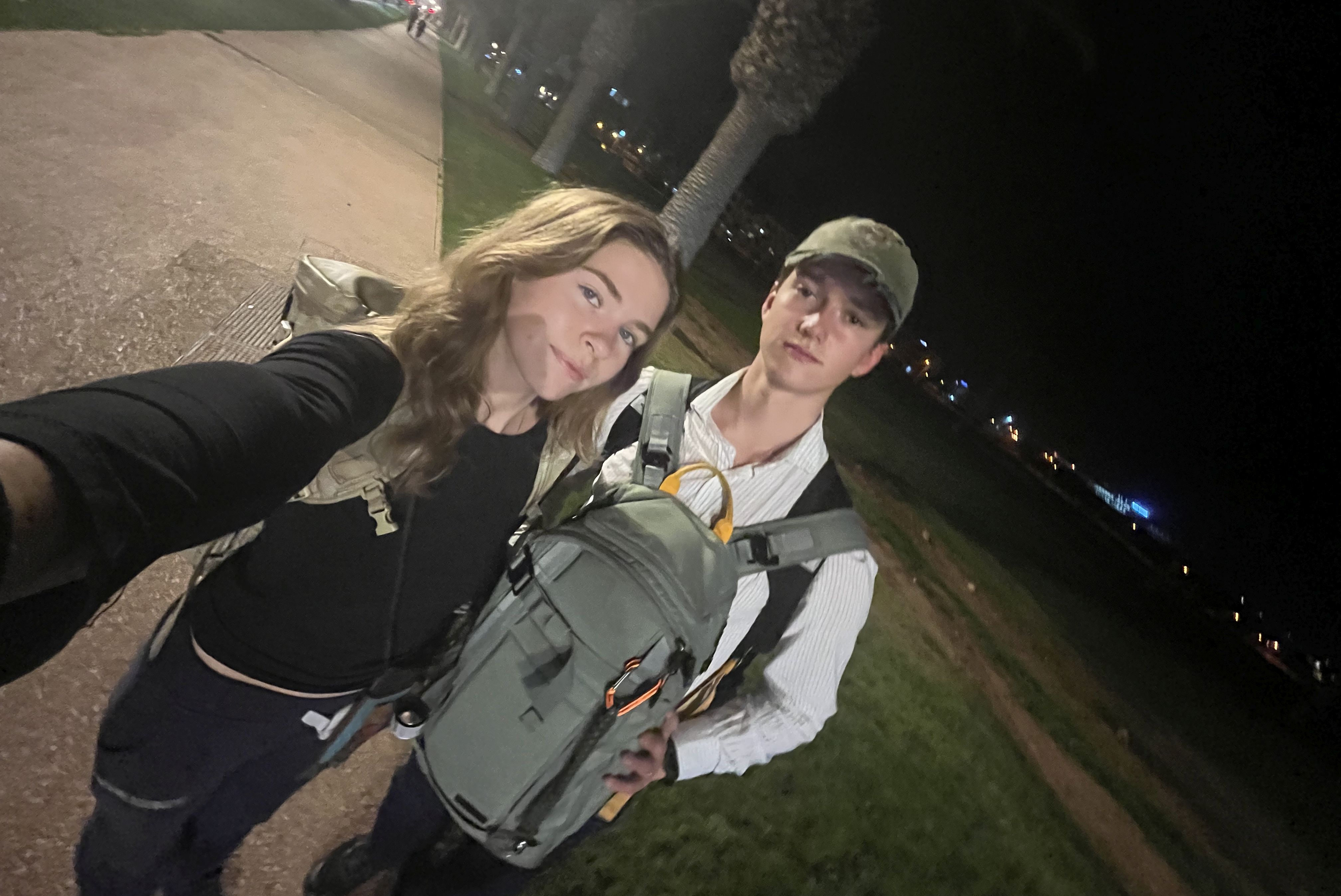
A US and Norwegian citizen are at this moment deported from occupied Western Sahara by Moroccan police for meeting local human rights defenders, day before UN Security Council vote.
Two students who travelled to Western Sahara to learn about the human rights situation in occupied Western Sahara are at this moment being deported from the territory. The two arrived to Western Sahara this morning and were welcomed at the home of human rights activist Sidi Mohamed Daddach.
Marianne Bugge Stavik and André Christopher Belleteste, both 22 years, study in Norway. They had travelled to Western Sahara to learn about Sahrawis' lives under occupation. Stavik is Norwegian citizen, Belletteste is US-Norwegian.
After returning to their hotel, this evening, they were stopped by police at the hotel entrance, around 8PM local time. The officers explained that they were not welcome and would be deported. “There were six police officers, most of them in plain clothes. They explained that we were not welcome. We have now been put in a car and are on our way back to Morocco,” Stavik said by telephone from Western Sahara.
The two are now travelling north by taxi, leaving the city of El Aaiún, in the highway that is named after the US president. The journey to Agadir will take around 12 hours. They had been scheduled to meet several human rights defenders tomorrow.
Tomorrow, the UN Security Council is due to vote on a resolution concerning Western Sahara. A draft written by the Trump administration is expected to secure a majority.

A draft resolution circulated among Council members on 28 October significantly restricts the Sahrawi people's ability to determine their own future and moves towards imposing Moroccan sovereignty over the territory. It is highly unusual for the UN Security Council to go so far in accepting the expansion of a country's territory through military force. The Sahrawi people have a right to self-determination.
The draft text also involves the first steps to scale back the UN peace keeping operation in the territory.
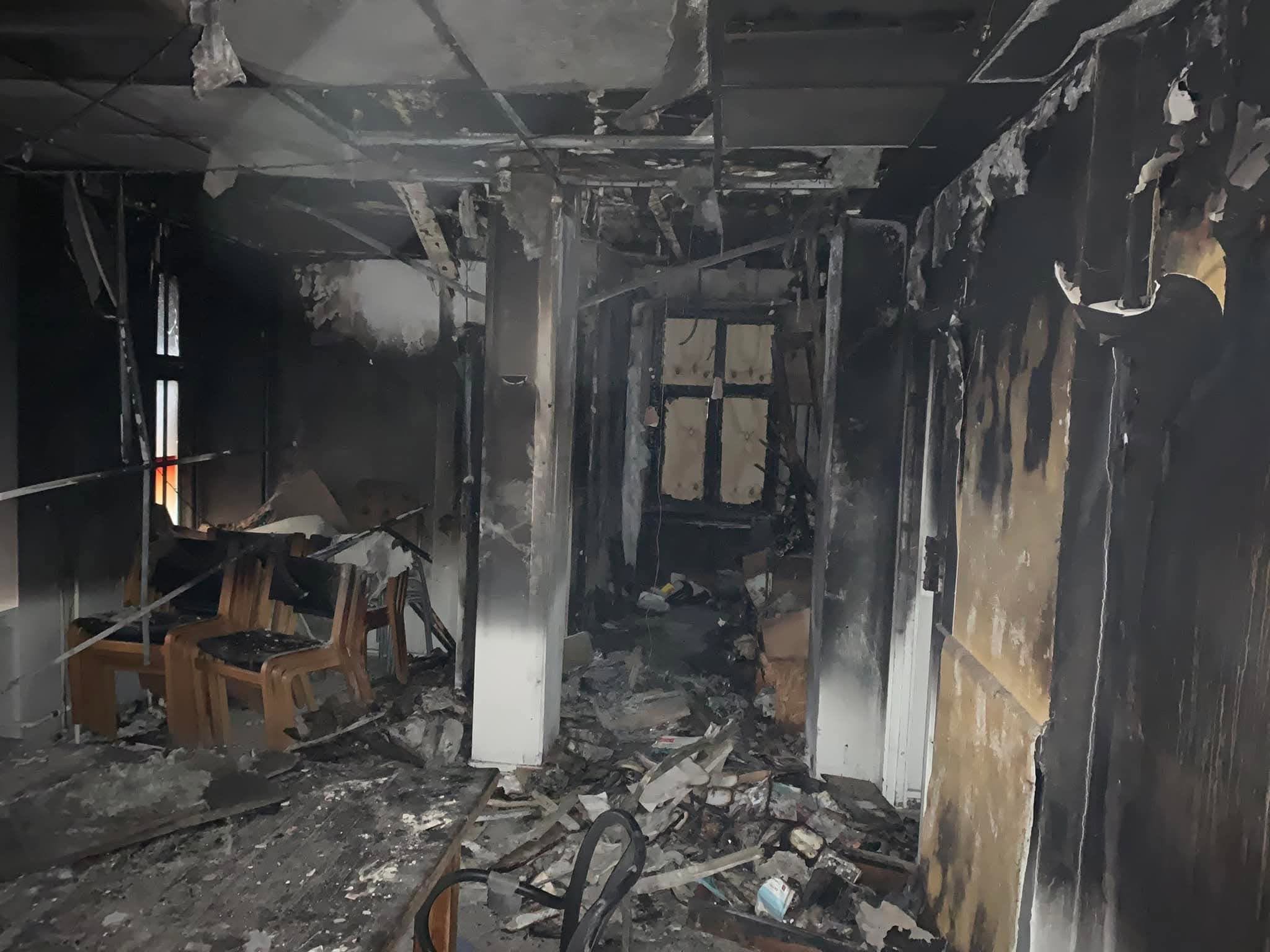
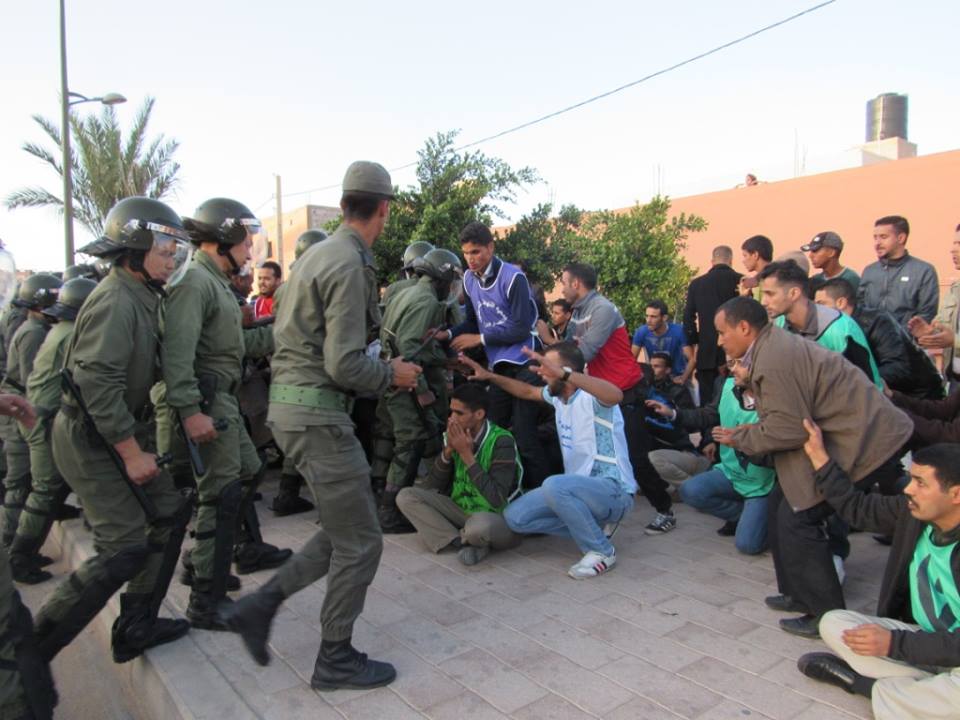
The two students travelled to Western Sahara to learn how Sahrawis view the Security Council's deliberations on their future. The meeting at Daddach's home was also attended by family members of local Sahrawi human rights activists serving life sentences in Moroccan prisons. The territory scores among the worst in the world on political freedoms. International observers are not welcome.
Read more about the US proposal for the UN resolution here. A new version of the resolution was leaked on the morning of 29 October. Some of the most controversial passages had been watered down, but the text still significantly dilutes the Sahrawi people's right to self-determination. The text praises Trump's leadership in the peace talks.
The two can be reached at this moment via the Norwegian Support Committee for Western Sahara - contact us via info@vest-sahara.no.
Trump wants to give Western Sahara to Morocco – and Europe is helping him
For the first time in UN history, the Security Council is about to bless an occupation. On 30 October, the Council will vote on a resolution stating that there is only one solution for Western Sahara: becoming part of Morocco. The draft was written by the Trump administration.
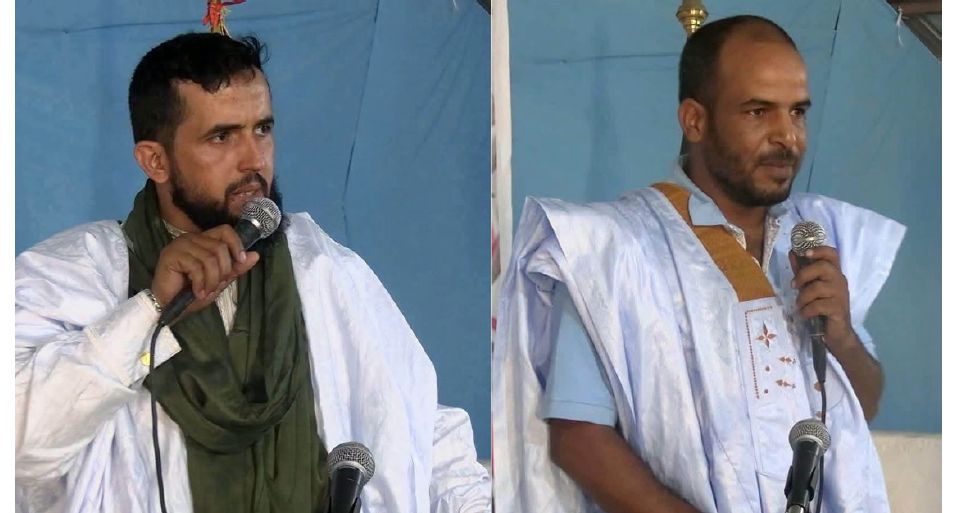
New report: Sahrawi students beaten, isolated and denied medical care in Moroccan prisons
They were beaten with batons until they nearly lost consciousness and threatened with rape if they did not confess. This is the testimony of recently released Sahrawi students in a new report following a decade in Moroccan prisons.
Family fears for human rights defender after days without contact
The family of Saharawi human rights defender and political prisoner Naâma Asfari says it has had no contact with him since Monday. Asfari is now on the 40th day of his hunger strike, and his family fears for his life and health.