Førsteamanuensis Hans Morten Haugen ved Diakonhjemmet Høgskole gikk norske selskaper og myndigheter etter i sømmene, under konferansen om bedrifters samfunnsansvar i Oslo i august. Les innlegget hans om den norske importen av fiskeolje og fosfat fra Vest-Sahara.
Innlegget Norwegian authorities advice on Western Sahara and Norwegian vessels' complicity in human rights violations: fish oil and phosphates from Western Sahara ble presentert på konferansen Towards Sustainable Companies: Identifying New Avenues, i Oslo, 29-30 august 2011.
Hele teksten kan lastes ned fra denne siden.
Se innleggets Abstract nedenfor.
Abstract.
Based on Western Sahara's status as a non-self-governing territory and the rights of peoples in such territories over their natural resources, the article analyzes the Norwegian policy on Norwegian business enterprises relating to Western Sahara. In addition to relevant treaties and resolutions, the article will assess the scope of the revised OECD Guidelines for Multinational Enterprises and the UN Guiding Principles on Business and Human Rights, both adopted in 2011. In both the OECD and UN non-binding standards, enterprises are asked to undertake a human rights due diligence and to prevent adverse human rights impacts that are directly linked to their operations, products or services by their business relationships. While the fact that Norway has listed Western Sahara as an exceptional case in its 2009 White Paper on CSR, and made available an explicit 'dissuasion', the text of this dissuasion is far from perfect. First, the text does not refer to international law, but rather refers to the "situation" in Western Sahara. Second, the central feature of the text is whether or not the economic activities promotes the 'interests of the local population', rather than the rights and wishes of the peoples of the non-self-governing territory of Western Sahara. The statement, policies, rejections and secrecy of specific Norwegian companies are also analyzed, showing that some of these companies simply chose to ignore the impact of their conduct toward the original peoples (the Saharawis) - even if there will be some Saharawis who have substantial financial benefits. This is in clear contradiction to the duty to undertake human rights due diligence and to prevent negative human rights impact resulting from their operations, as specified in the OECD and UN standards.
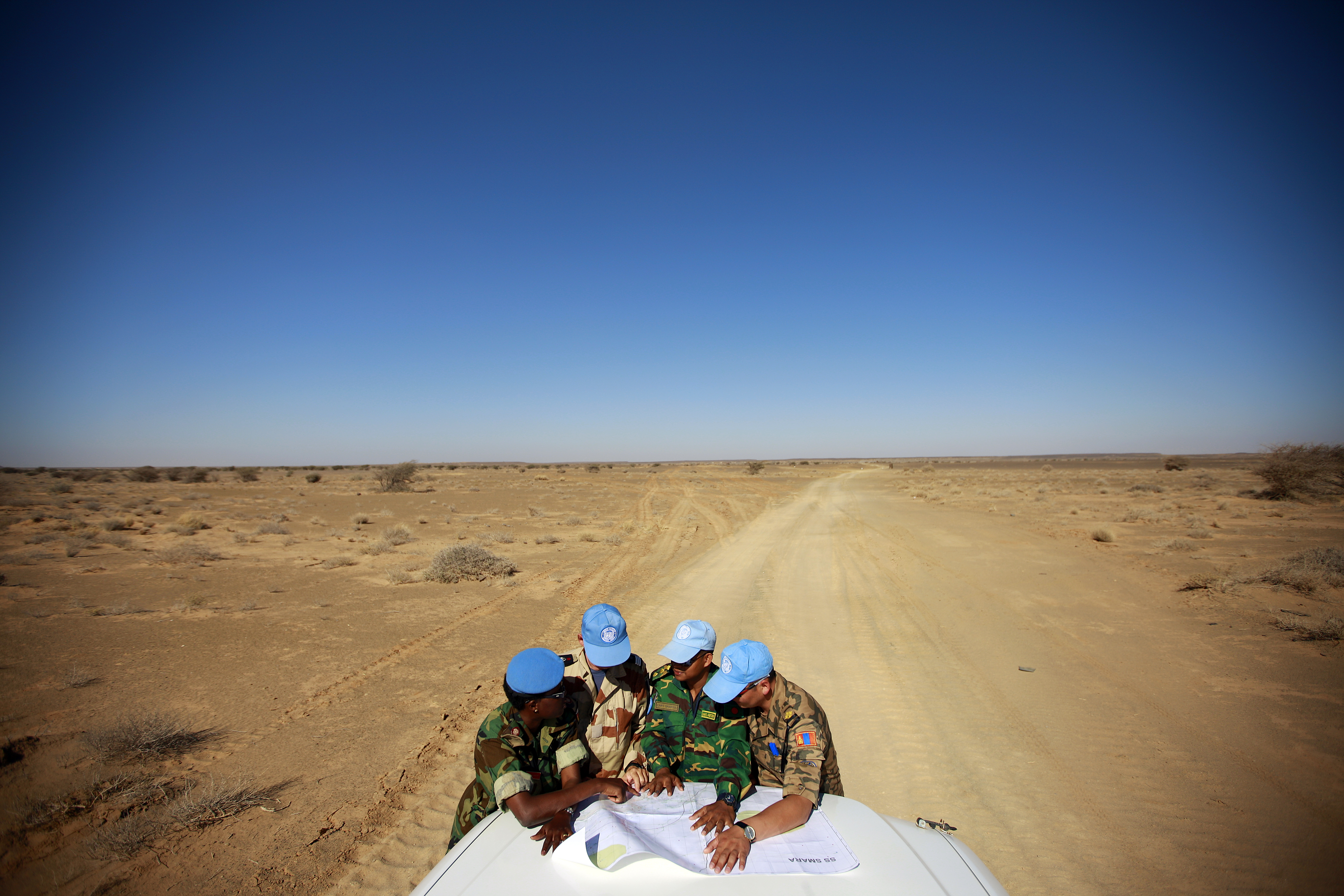
USA og Russland blokkerer hverandres resolusjonsforslag om Vest-Sahara - MINURSOs framtid er usikker
I en ekstraordinær konfrontasjon blokkerte begge de faste medlemmene av Sikkerhetsrådet hverandres forslag om Vest-Sahara. Ingen resolusjon ble vedtatt, og FNs fredsbevarende operasjon står overfor en nært forestående utløpsdato for sitt mandat.

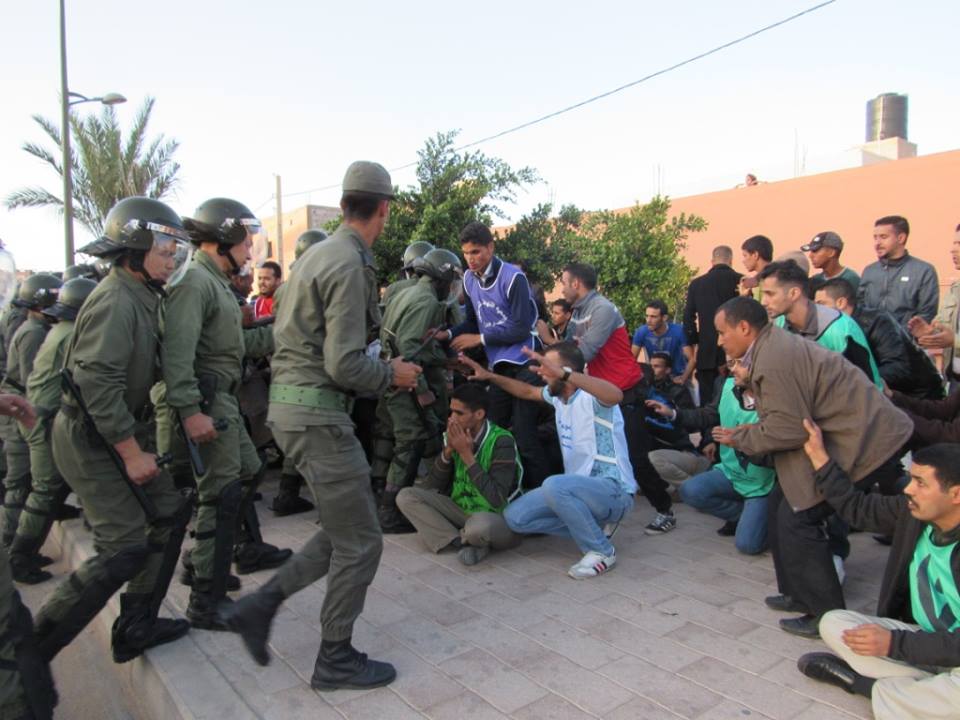
To nordmenn deporteres fra okkuperte Vest-Sahara
Marokkansk politi anholdt i kveld to norske observatører i okkuperte Vest-Sahara og deporterer dem ut av territoriet.
Trump vil gi Vest-Sahara til Marokko - og Europa hjelper ham
For første gang i FNs historie er Sikkerhetsrådet i ferd med å velsigne en okkupasjon. Denne uken, trolig 29. eller 30. oktober, skal rådet stemme over en resolusjon som slår fast at det bare finnes én løsning for Vest-Sahara: å bli en del av Marokko. Utkastet er skrevet av Trump-administrasjonen.

Gdeim Izik-fangene gjenopptar sultestreiken
Saharawiske politiske fanger har gjenopptatt en sultestreik i marokkanske fengsler. De krever løslatelse, bedre soningsforhold og at FNs beslutninger blir gjennomført.