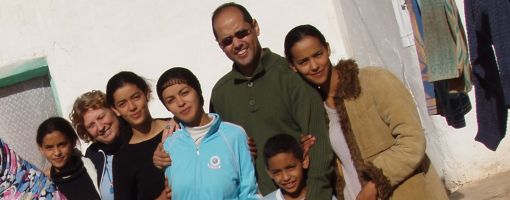
A shocking video last year showed Saharawi journalist Walid El Batal pulled out of a car and beaten by Moroccan police. The UN now calls on full investigation.
In June 2019, the Saharawi news service Smara News published a shocking video showing one of their journalists, Mr. Walid El Batal, pulled out of a car and beaten by Moroccan police.
See the video on Smara News's Facebook page (or download).
The UN has now looked into the matter. A so-called Urgent Appeal was on 7 January 2020 issued by the UN Human Rights Mechanisms concerning the arrest, torture and detention of Saharawi Mr. El Batal was made public.
In the document, the UN body expressed concerns of Morocco targeting of Saharawi human rights defenders in Western Sahara. Particular concerns were raised regarding the arrest and detention of Saharawi journalist Mr. El Batal, and the targeting of Saharawi journalists in response to their work. Police had subjected him to violence at the time of his arrest and whilst held in detention.
The appeal is signed by the Special Rapporteur on the situation of human rights defenders, the Special Rapporteur on the promotion and protection of the right to freedom of opinion and expression, and the United Nations Working Group on Arbitrary Detention.
Download the UN document here.
The Urgent Appeal was launched in response to the arrest of Mr. El Batal on 7 June 2019 in Smara, Western Sahara. Walid is former political prisoner and a well-known human rights defender and journalist from Western Sahara, connected to the news service Smara News. His arrest and detention led to international attention, with Front Line Defenders and the Organization Mondiale Contre la Torture pressing for his immediate release.
At the time of his arrest and whilst held in detention, Walid was subjected to aggressive police violence and torture. He was forced to sign police records, later used against him in court as criminal evidence. On 12 November 2019, Walid El Batal was sentenced to two years imprisonment for assault of public officials and possession of weapons.
The respective mandate holders asked the Moroccan government to provide comments to the information about torture provided, to clarify whether any investigation into the arrest and police violence had been conducted, to provide information on the legal basis for the arrest of Walid, and lastly, to indicate what measures that have been taken to ensure that human rights defenders in Morocco and Western Sahara are able to carry out their legitimate activities in safety and in an enabling environment without fear of threats, harassment, stigma or criminalization of any kind.
The Joint Communication published 7 January 2019 is one out many decisions rendered by the UN Human Rights Mechanisms concerning the alarming situation of Saharawi journalists. The Working Group on Arbitrary Detention has on several occasions documented the systematic persecution and political prosecution of Saharawi journalist and human rights defenders in response to their support for the right to self-determination for the people of Western Sahara.
In all decisions, the Working Group found that the detention of Saharawi journalists constitute a violation of Moroccos international obligations to not politically prosecute or discriminate.
Due to the criminalization on independent reporting on the Western Sahara issue, in which the recent communication by the UN Human Rights Mechanisms concerning the case of Ms. Naziha El Khalidi attests to (AL MAR 1/2019), Saharawi journalists work under alarming conditions; without any real means of protection; whilst systematically being faced with trumped up charges and subjected to arbitrary detention.
The detainment of the four journalists, El Bachir Khadda, Hassan Dah, Abdellah Lakhfawni and Mohammed Lamin Haddi, in addition to the continued detention of Mohamed al-Bambary and Walid El Batal serves as vicious examples of this practice; aimed at silencing the once trying to break the current culture of impunity imposed on the occupied territories of Western Sahara.
This release is made by the Norwegian Support Committee for Western Sahara and the Saharawi journalist organization Equipe Media. See also a fuller report about the Urgent Appeal, and a background to the matter, written by the two associations.
For comments and questions, please contact:
Ms Tone Sørfonn Moe, tone@vest-sahara.no, Norwegian Support Committee for Western Sahara.
Mr. Ahmed Ettanji, ettanji.ahmed@gmail.com, Equipe Media.
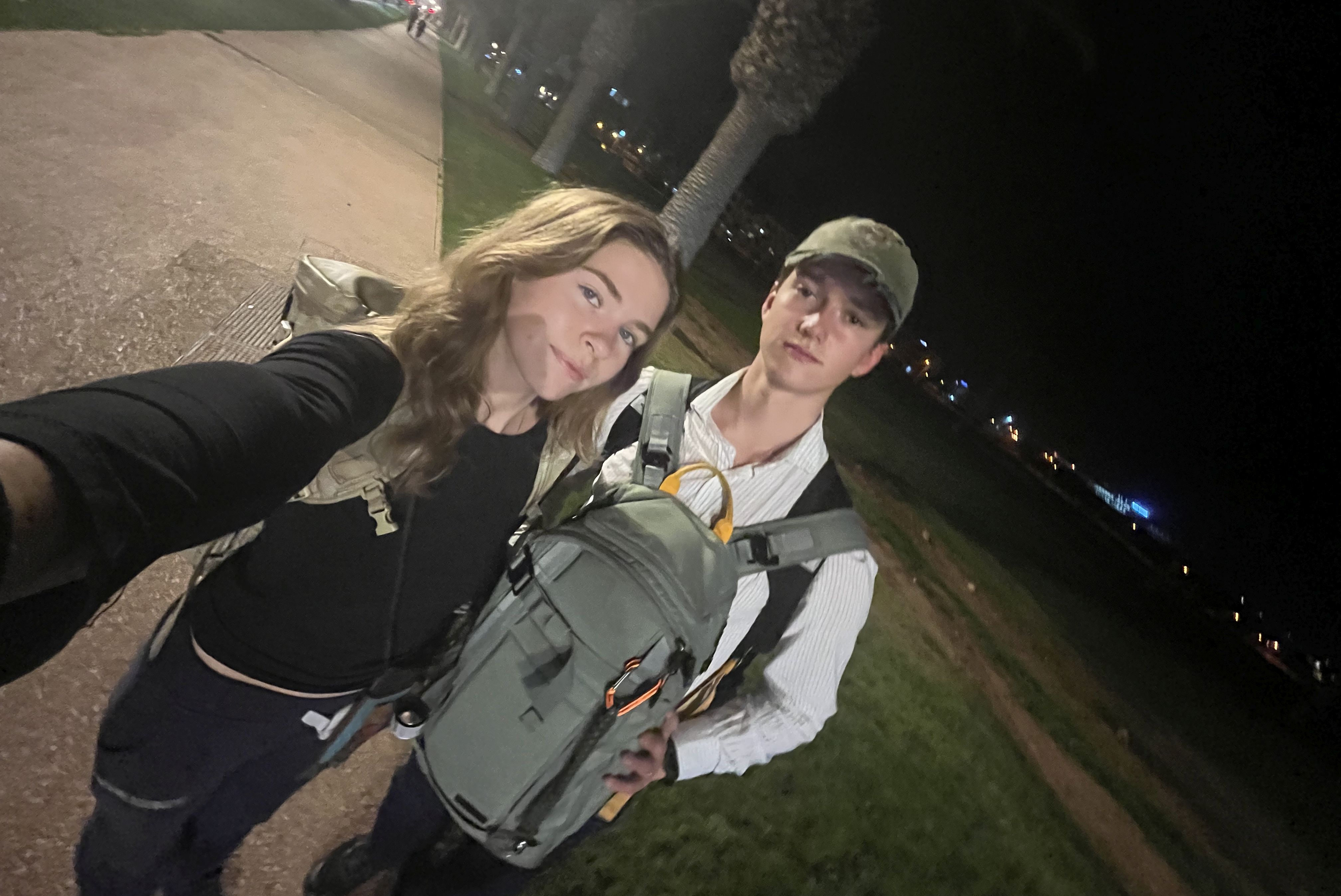
American and Norwegian observers deported from Western Sahara
A US and Norwegian citizen are at this moment deported from occupied Western Sahara by Moroccan police for meeting local human rights defenders, day before UN Security Council vote.
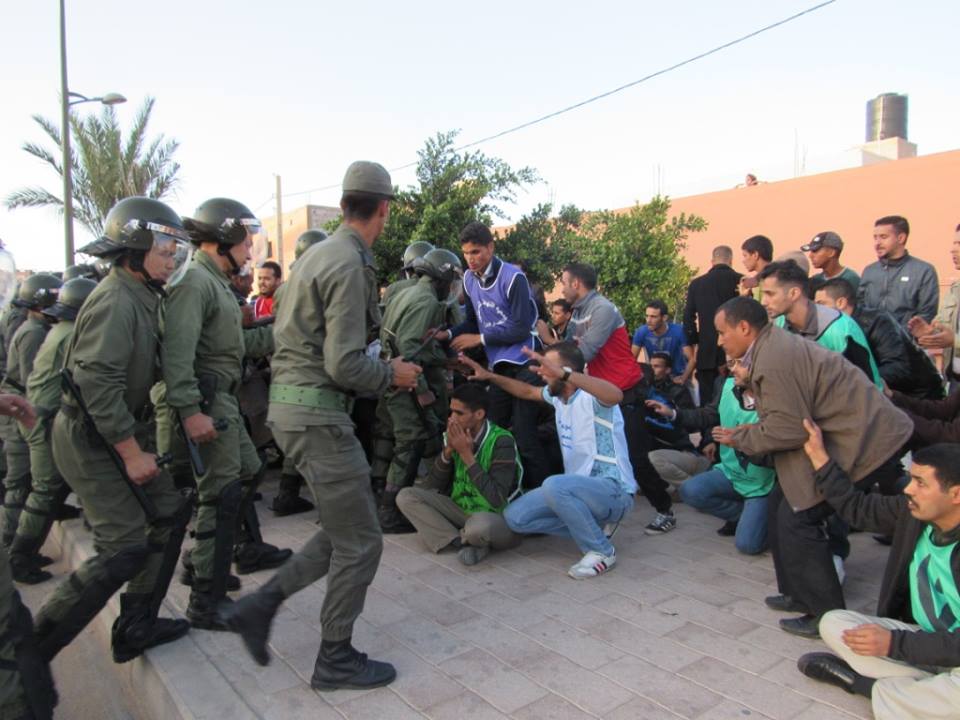
Trump wants to give Western Sahara to Morocco – and Europe is helping him
For the first time in UN history, the Security Council is about to bless an occupation. On 30 October, the Council will vote on a resolution stating that there is only one solution for Western Sahara: becoming part of Morocco. The draft was written by the Trump administration.
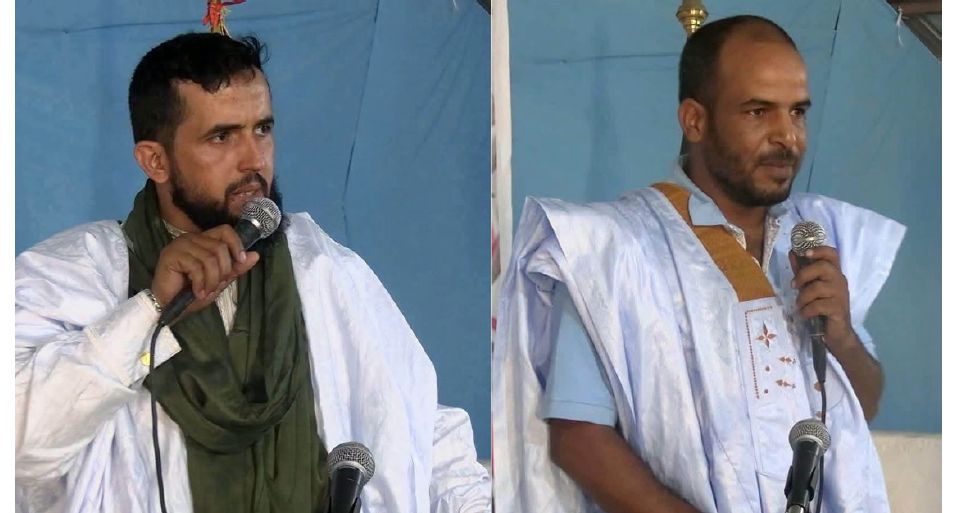
New report: Sahrawi students beaten, isolated and denied medical care in Moroccan prisons
They were beaten with batons until they nearly lost consciousness and threatened with rape if they did not confess. This is the testimony of recently released Sahrawi students in a new report following a decade in Moroccan prisons.