Norwegian diplomats want bulkers to stop loading phosphate in Western Sahara but their jawbones are their only weapon.
25 June 2007
By Bob Rust
Tradewinds
Norway wants bulkers to stop loading phosphate in Western Sahara but the country's diplomats say “moral-political” jawboning is all they can do about it.
Bergen shipowner Kristian Gerhard Jebsens Skipsrederi (KGJS) is running into domestic criticism for its part in the commodities export trade of the Moroccan-controlled territory.
Norway's foreign ministry says it would like to help more but can only offer advice.
Political opponents of the trade are spotlighting tomorrow's scheduled unloading of Gearbulk's 52,000-dwt open-hatch bulker Bulk Saturn (built 2003) at Bluff, New Zealand, after calls at Whangarei and Tauranga carrying a load of phosphates from Western Sahara. London-based Gearbulk is 60% owned by the Norwegian company.
Norwegian idealistic organisation Framtiden i vare hender ("The future in our hands") has been tracking the ship.
The disputed trade and the opposition to it have roots that go back to the period of European colonialism.
The United Nations has considered the area a non-self governing territory for more than 40 years, since before the time Spain handed it over to Morocco and Mauritania.
Starting in 1975 the two Northwest African countries were allied in a bloody war against the rebel Polisario Front and the native population. Mauritania eventually withdrew its claim in favour of Morocco, which still wields control over the large territory and its natural resources.
Australia is the main importer of Western Saharan phosphates. Supporters of the Polisario Front there have argued for a national ban on the imports but Australian fertiliser and agriculture industries have countered that Western Sahara is the only possible supplier of phosphate of the quality and quantity Oz farmers need.
In Norway, the foreign ministry indicates that its heart is in the right place but its hands are tied.
“We can offer moral-political challenges but we cannot support the challenge with action,” foreign ministry spokesman Jorn Gjelstad told Norwegian press bureau NTB.
He added: “When business activity violates the interests of the local population we believe it violates international law. Our clear line is that we advise against this type of business activity.”
In Australia, the foreign ministry takes no such position and has only warned Australia's phosphate importers to seek legal advice before importing anything from Western Sahara because of "international law considerations".
Last year the Polisario Front and the corresponding Western Saharan government in exile had some success in negotiating licenses that give oil companies exploration rights that they can exercise once the Moroccans are out.
However, only the Moroccans are able to supply non-hypothetical raw materials from Western Sahara for now.
Family fears for human rights defender after days without contact
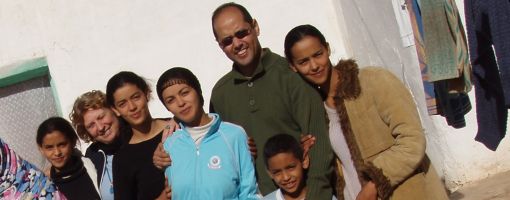
The family of Saharawi human rights defender and political prisoner Naâma Asfari says it has had no contact with him since Monday. Asfari is now on the 40th day of his hunger strike, and his family fears for his life and health.
Trial underway over firebombing of our partner in Denmark
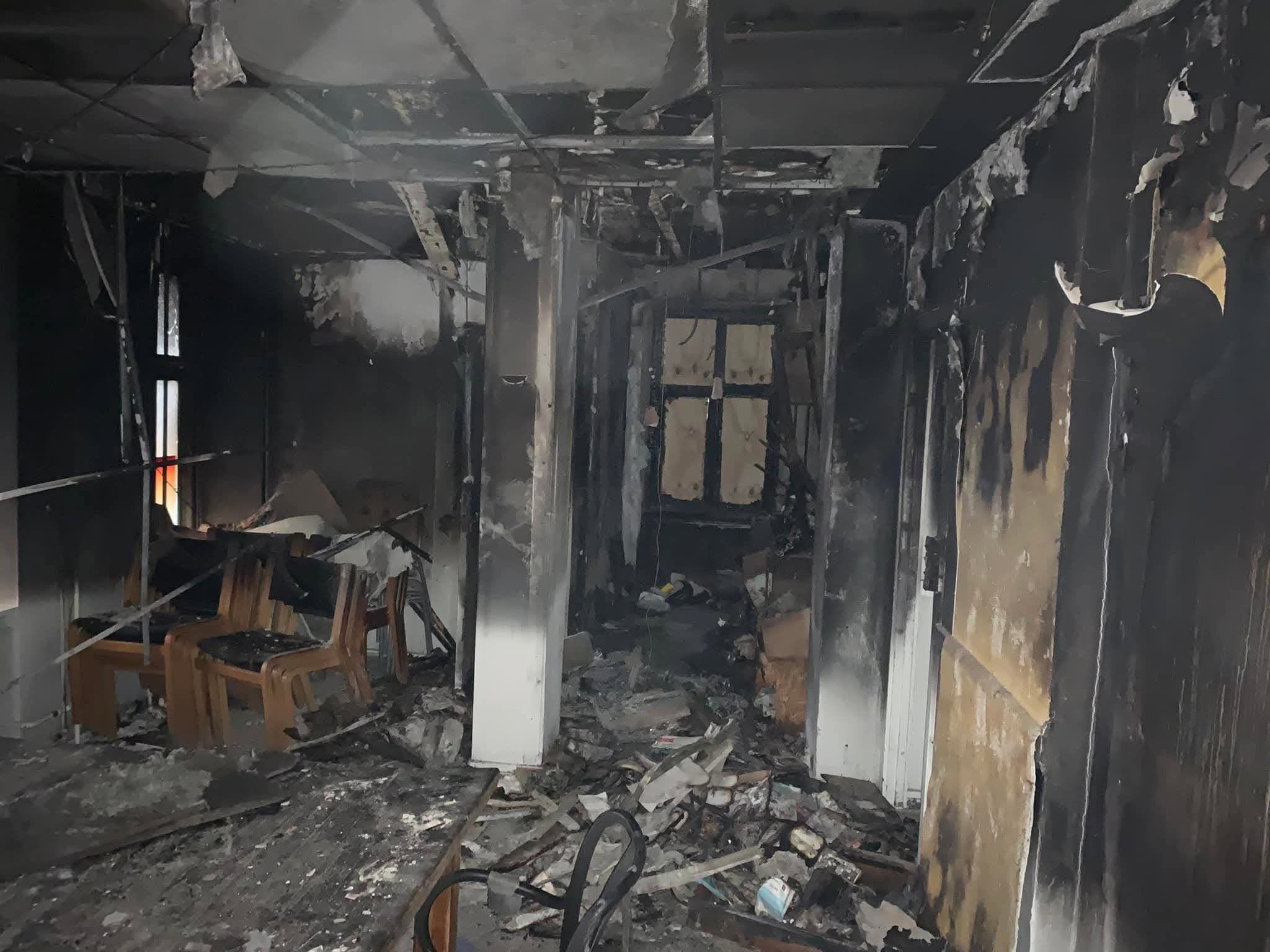
A trial has begun in Copenhagen against four men accused of carrying out the January 2025 arson attack on the offices of our partner Global Aktion.
Film Festival Silences Saharawi Voices
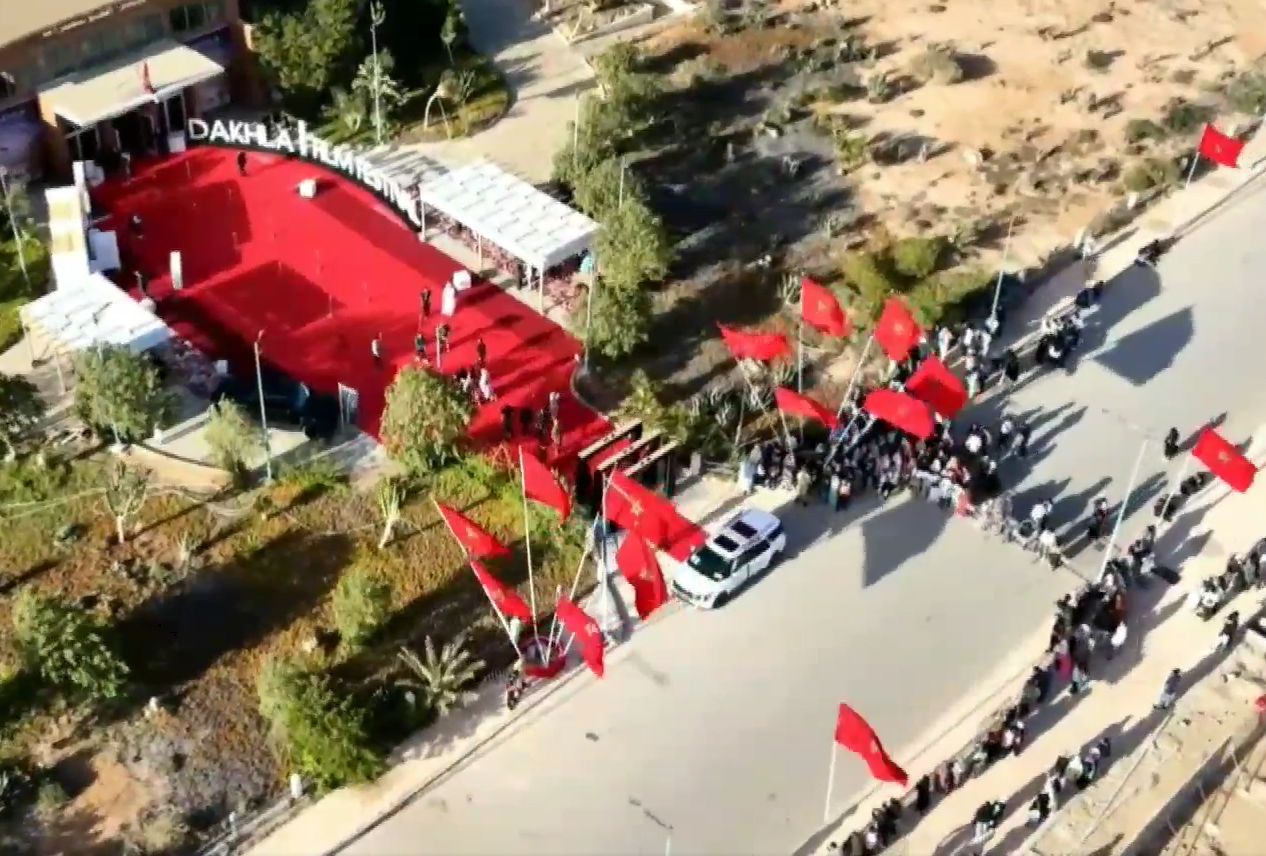
The Moroccan film festival Dakhla International Film Festival is rapidly deleting critical comments from its social media channels.
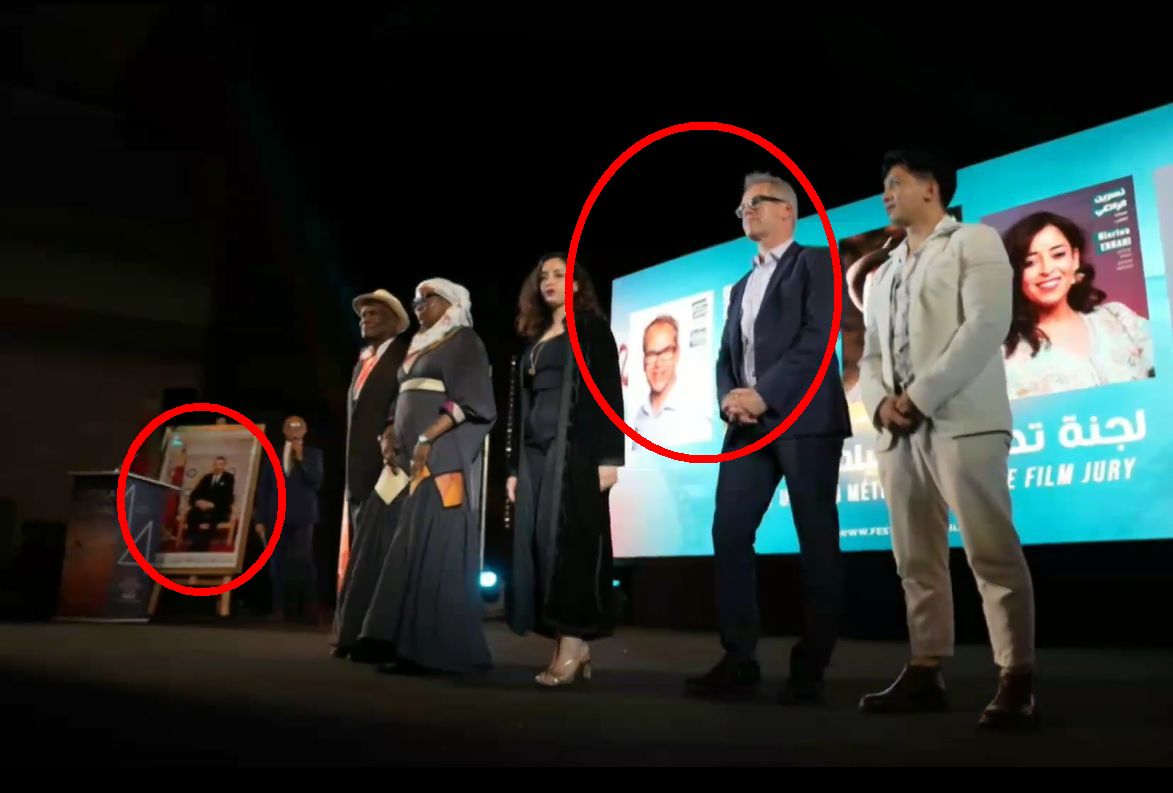
Film Producer Anders Tangen on Red Carpet at Propaganda Festival in Occupied Western Sahara
Film producer Anders Tangen appeared on stage in occupied Western Sahara yesterday, standing before an image of the Moroccan king and surrounded by Moroccan flags. “We condemn Tangen’s support for the occupation of Western Sahara,” says the Norwegian Support Committee for Western Sahara.